

23Oct2026
How to Refurbish a Carpet? Hayat Carpet Cleaning
A worn floor covering can make an otherwise neat room look tired. Daily walking, furniture movement, spills, dust, and sunlight can change its appearance over time. However, replacement is not always the first solution. Learning how to refurbish a carpet can help you understand which treatments may restore its condition.
Refurbishment means improving an existing floor covering instead of removing it immediately. The right method depends on the fibre, backing, age, damage, and overall condition. A professional inspection can reveal whether cleaning, repair, stretching, or restoration makes sense.
Hayat Carpet Cleaning provides carpet cleaning and restoration support for homes and workplaces in Hong Kong. The correct treatment should always match the material and damage. A method that works for one textile may harm another.
What Does Carpet Refurbishment Mean?
Carpet refurbishment focuses on improving an existing floor covering. It can involve several types of care, depending on what the material needs. Cleaning may remove soil and stains. Repair work can address damaged sections. Restoration may improve an older piece that has lost its original appearance. The process starts with an assessment. A trained technician can examine fibres, seams, backing, edges, and visible wear. This step matters because surface dirt and physical damage require different solutions.
Hayat Carpet Cleaning can assess the condition before treatment begins. This approach helps avoid unsuitable methods. It also gives the owner a clearer idea of what the material may need. Refurbishment does not mean making every old floor covering look completely new. Some marks, fading, or fibre changes may remain because of age or previous damage. A realistic assessment helps set the right expectations.
Why Condition Matters Before Treatment
Different materials respond differently to moisture, agitation, heat, and cleaning agents. Wool, synthetic fibres, handmade rugs, and delicate textiles each have their own care needs. A damaged backing also needs attention before intensive cleaning. Otherwise, moisture or movement could make an existing problem worse.
Therefore, inspection should come before any major treatment. Hayat Carpet Cleaning considers the material and condition when choosing a suitable approach.
When Refurbishment May Be Suitable
Refurbishment may suit a floor covering that has become dull, marked, flattened, or slightly damaged. It can also help when edges, seams, or certain areas need specialist attention. However, severe structural deterioration may require a different solution. A professional assessment can help determine whether restoration remains practical.
How to Refurbish a Carpet Step by Step
The exact refurbishment process varies with the material. Still, several stages commonly guide professional work. Each stage has a specific purpose, so rushing can reduce the final result. The first stage involves inspection. The technician checks the fibres, backing, seams, stains, odours, and areas of wear. They may also identify previous repairs or treatments.
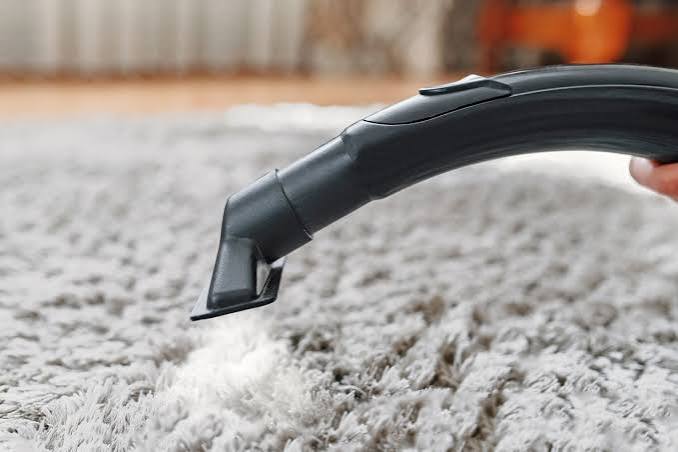
Next, loose soil and surface debris need removal. This prepares the textile for deeper treatment. It also prevents dry particles from spreading during wet or specialist cleaning. The cleaning method then depends on the construction. Some materials can tolerate controlled moisture extraction. Others require gentler handling. Hayat Carpet Cleaning selects an approach according to the item rather than using one process for everything.
After cleaning, the technician can inspect the material again. This stage can reveal damage that dirt previously concealed. Repair or restoration work can then focus on the affected areas. Drying also matters. Excess moisture should leave the material properly before normal use resumes. Good airflow can support the drying process.
Finally, the finished surface receives a quality check. The technician can look for remaining marks, loose fibres, uneven areas, or repair concerns.
| Refurbishment Stage | Main Purpose |
| Inspection | Identify material, wear, stains, and damage |
| Soil removal | Clear loose particles before deeper treatment |
| Suitable cleaning | Treat the surface according to its construction |
| Repair assessment | Find areas that need physical correction |
| Drying | Remove remaining moisture safely |
| Final check | Review the treated area and its condition |
Cleaning During Refurbishment
Cleaning can improve the appearance of a tired surface. It may remove embedded soil that routine vacuuming cannot reach. Stain treatment also requires care because aggressive products can affect fibres. A Carpet Cleaning Company HK can help identify an appropriate cleaning method. The chosen process should consider fibre type, colour stability, backing, and previous treatment.
Hayat Carpet Cleaning uses the condition of the material as a guide. This helps keep the refurbishment process focused on the actual problem.
Repairing Damaged Areas
Physical damage requires more than surface cleaning. Burns, tears, loose edges, worn sections, and damaged seams may need repair work. A Carpet Repairing Company Hong Kong can assess whether a damaged section can receive specialist attention. Repair techniques vary according to the construction and location of the problem.
Hayat Carpet Cleaning can help with carpet repair needs where suitable. Early attention may also prevent a small defect from becoming more noticeable.
What Can Be Restored During Carpet Refurbishment?
Refurbishment can address several visible problems, but each case has limits. Understanding those limits helps owners choose the right treatment. Flattened areas may sometimes respond to suitable cleaning and fibre care. Stains can receive targeted treatment when the material allows it. Damaged seams may require repair instead of repeated cleaning.
Older pieces may need broader restoration work. This can involve careful cleaning, repair, and appearance improvement. Handmade or delicate items need especially careful handling. Fading presents a different challenge. Cleaning cannot always restore the colour that sunlight has permanently changed. In such cases, professional assessment remains important.
Hayat Carpet Cleaning recommends evaluating the entire piece rather than focusing on one visible mark. The overall condition can affect the most suitable treatment.
Stains, Odours, and Surface Soil
Stains can develop from food, drinks, outdoor dirt, or accidental spills. Odours may also remain when moisture or contaminants reach deeper layers. A suitable treatment can address some of these problems. However, old marks may react differently from fresh spills. Previous cleaning products can also affect later treatment.
The technician should identify the source and condition before applying a cleaning solution. This helps reduce the risk of unnecessary fibre stress.
Carpet Restoration Hong Kong: When Deeper Care Is Needed
Carpet Restoration Hong Kong services can be relevant when a valuable or older textile needs more than routine cleaning. Restoration aims to preserve useful material while improving its condition. Older pieces can have fragile fibres and delicate construction. Strong agitation may create unnecessary stress. Gentle handling becomes more important when the textile has weakened with age.
Restoration may involve specialist cleaning, repair, reweaving, or other suitable techniques. The exact work depends on the construction and damage. Hayat Carpet Cleaning approaches restoration with the condition of the textile in mind. A careful assessment helps identify areas that need attention before treatment starts.
Restoration for Older and Delicate Materials
Antique or delicate textiles require a different mindset from everyday flooring. Their age can make fibres more vulnerable to moisture and friction. A technician should first understand the construction. Colour stability should also receive attention before deeper treatment begins.
Hayat Carpet Cleaning can assess suitable care requirements for items that need delicate handling. This helps protect the material during the restoration process.
Choosing Between Cleaning, Repair, and Restoration
The visible problem often gives the first clue. Surface dirt may need cleaning. Physical damage may call for repair. An older textile with several concerns may need broader restoration. These treatments can also work together. Cleaning may come before repair because hidden damage can become easier to see afterward.
A professional assessment can help determine the right combination. It prevents owners from treating every problem as a simple cleaning task.
| Visible Condition | Potential Treatment |
| Dull surface | Suitable professional cleaning |
| Embedded soil | Deep cleaning suited to the fibre |
| Small damaged section | Specialist repair assessment |
| Loose edge | Repair or securing assessment |
| Wrinkled area | Stretching or structural assessment |
| Older delicate textile | Careful restoration assessment |
Why Professional Carpet Refurbishment Can Be Helpful
DIY cleaning may seem straightforward, but refurbishment involves more than removing visible dirt. Material identification, moisture control, stain treatment, and physical repair all require different considerations.
A professional can inspect the whole surface before selecting a treatment. This matters when an item has mixed problems, delicate fibres, or previous damage. Hayat Carpet Cleaning provides professional carpet care in Hong Kong with attention to cleaning, repair, and restoration needs. The company can assess the condition before recommending suitable work.
Professional treatment can also reduce the chance of using an unsuitable product. Household cleaners may not suit every fibre or backing. If you want to discuss your requirements, you can Contact Now +852 9810 1943. Hayat Carpet Cleaning can help you understand which type of service may suit your situation.
When to Ask for Professional Help
Professional advice can be useful when a stain remains after careful home treatment. It can also help when fibres look damaged, seams become loose, or wrinkles appear.
Older and delicate materials deserve extra care. Uncertain owners should avoid experimenting with strong chemicals or excessive moisture.
Hayat Carpet Cleaning can assess the condition and explain the appropriate next step. A proper assessment is more useful than guessing from appearance alone.
Frequently Asked Questions About How to Refurbish a Carpet
Can I refurbish a carpet myself?
Simple maintenance can help improve appearance, but refurbishment may involve specialist cleaning or repair. Material type and damage should guide the treatment.
What is the first step in carpet refurbishment?
Inspection should come first. It helps identify fibres, backing, stains, wear, and structural problems before treatment begins.
Does refurbishment include carpet cleaning?
It can. Cleaning often forms part of refurbishment when soil, stains, or odours affect the material.
Can damaged areas receive professional repair?
Some damaged areas can receive specialist repair. The suitable method depends on the construction, location, and severity of the damage.
Is carpet restoration the same as cleaning?
No. Cleaning mainly targets soil and stains, while restoration can involve broader work for older or damaged textiles.
Can old carpet be refurbished?
Some older materials can receive refurbishment. Their condition should be checked first because aged fibres may require gentler handling.
How long should a refurbished carpet remain unused?
The suitable waiting period depends on the cleaning method, material, moisture level, and drying conditions. Follow the technician’s care guidance.
Can wrinkles be removed during refurbishment?
Some wrinkles may need stretching or structural work. Cleaning alone does not correct every installation or tension problem.
Should I use household cleaning products before professional treatment?
Care is advisable because unsuitable products can affect fibres or leave residues. Tell the technician about any previous treatment.
How can I arrange professional carpet care in Hong Kong?
You can contact Hayat Carpet Cleaning to discuss the condition and service requirement. The team can help determine whether cleaning, repair, or restoration suits the material.