

14Nov2026
How to Fix Loose Rug Threads: Simple Ways to Restore Your Rug
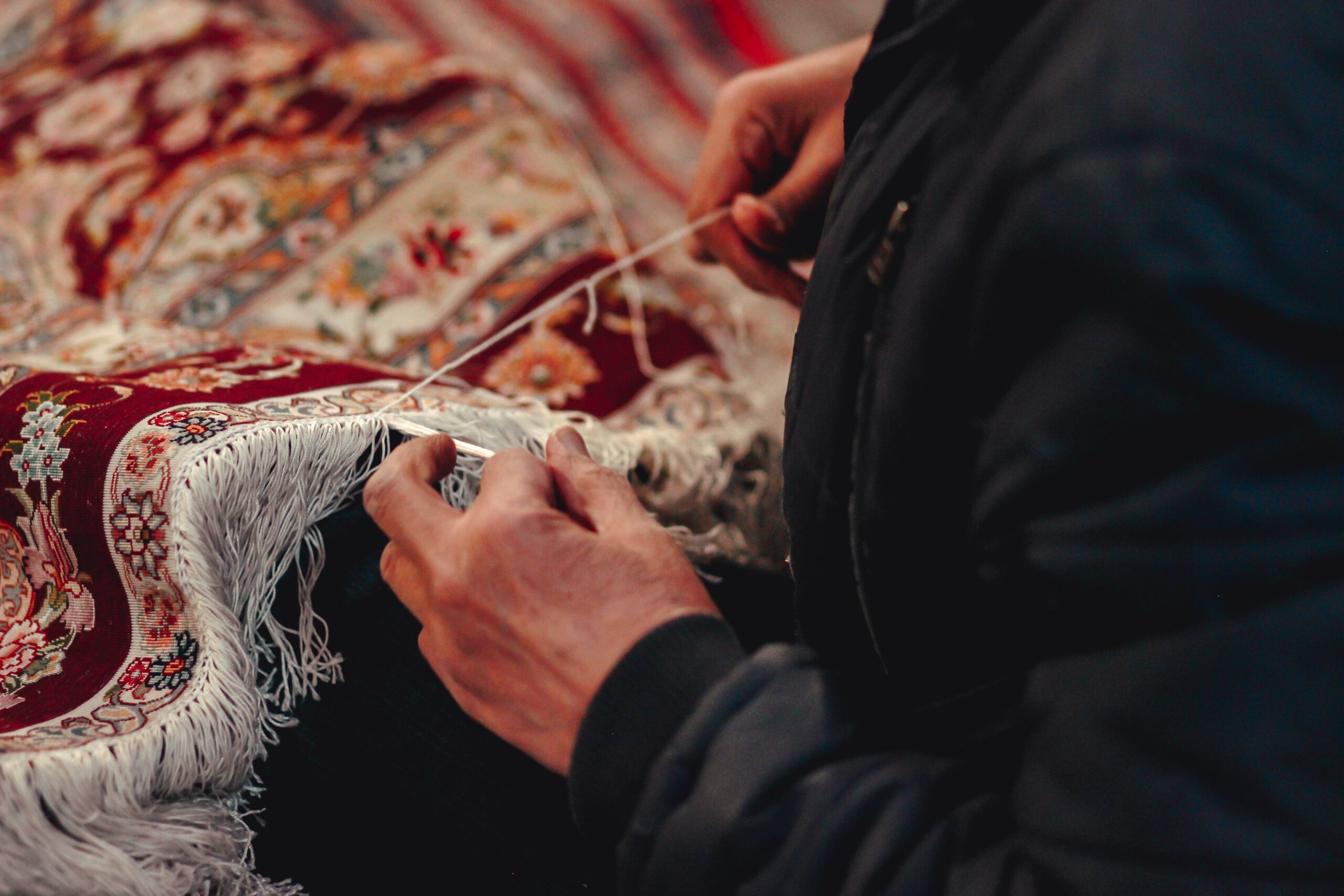
Loose threads can make even a beautiful rug look worn, untidy, and poorly maintained. Understanding how to fix loose rug threads is essential for protecting your rug’s appearance, maintaining its structure, and extending its lifespan. Whether you have a handmade rug, a wool carpet, or a decorative floor covering, timely rug repair and carpet maintenance can prevent minor thread damage from becoming a larger problem. With professional Carpet repairing services hong kong, homeowners can address loose fibres, frayed edges, and damaged weaving while preserving the original beauty of their rugs.
A rug is more than a decorative accessory. It adds warmth, comfort, colour, and personality to an interior. However, regular foot traffic, furniture movement, vacuuming, and everyday use can gradually weaken individual fibres. When threads begin to loosen, taking the correct steps can help prevent further damage and keep the rug looking attractive.
What Causes Rug Threads to Become Loose?
Before learning how to fix loose rug threads, it helps to understand why they become damaged. Different rug materials and weaving techniques respond differently to everyday use. Identifying the cause makes it easier to choose a suitable repair method.
Regular foot traffic: Frequently used areas experience constant pressure, which gradually weakens fibres and causes individual threads to rise above the surface.
Furniture movement: Dragging chairs, tables, and other heavy furniture across a rug can pull yarn out of its original position.
Improper vacuuming: Using an unsuitable vacuum attachment or excessive suction can catch raised loops and pull them away from the weave.
Pet activity: Cats and dogs may scratch, bite, or pull loose fibres, creating small damaged areas that can become larger over time.
Age and natural wear: Older wool, silk, and handmade rugs may develop loose threads as their fibres and foundations gradually weaken.
Understanding these causes helps homeowners take preventive measures before minor problems affect the overall structure of the rug.
How to Fix Loose Rug Threads at Home
Small amounts of thread damage can sometimes be managed with careful attention. However, the repair method should always match the rug’s construction and material.
Examine the Loose Thread Carefully
Start by identifying the location and condition of the loose thread. Check whether it is an individual fibre, a pulled loop, or part of a damaged section. Look closely at the surrounding weave to determine whether the foundation remains secure.
Avoid pulling the thread to test its strength. Even a small amount of additional tension can disturb neighbouring fibres and increase the damaged area.
Avoid Pulling or Cutting Immediately
One of the most common mistakes is pulling a loose thread because it appears untidy. This can unravel the surrounding weave and create a larger opening.
Similarly, cutting a raised thread without understanding its purpose may remove an important part of the rug’s structure. Some fibres are decorative, while others help hold the weave together.
Always identify the thread before attempting any adjustment.
Use a Suitable Needle for Minor Repairs
If a small decorative fibre has lifted without damaging the backing, a suitable blunt needle may help guide it gently back into position.
Work slowly and avoid forcing the needle through tightly woven areas. Delicate silk and antique rugs require particular care because their fibres can be easily disturbed.
If the thread belongs to the rug’s structural foundation, leave the repair to an experienced professional.
Secure Minor Loose Fibres Carefully
Some minor loose fibres can be gently positioned using a suitable textile repair technique. The objective is to maintain the original appearance without placing unnecessary tension on surrounding threads.
Avoid applying household adhesives or ordinary glue. These materials may leave permanent marks, change the texture, or make future repairs more difficult.
Check the Rug’s Edges and Corners
Threads around the edges often become loose because these areas experience repeated movement. Examine the corners, borders, and fringes for signs of unraveling.
If the edge binding has separated or the fringe is becoming detached, professional attention is recommended. Edge damage can gradually spread into the main weaving if left untreated.
Different Types of Rug Thread Damage and Their Solutions
Not every loose thread requires the same repair approach. The following table explains common problems and suitable solutions.
| Type of damage | Common cause | Recommended approach |
| Raised surface threads | Daily friction | Gentle fibre adjustment |
| Pulled loops | Vacuuming or snagging | Professional loop repair |
| Loose fringe threads | Edge wear | Fringe restoration |
| Unravelling borders | Repeated movement | Edge binding repair |
| Missing woven threads | Structural damage | Professional reweaving |
| Multiple loose areas | Age and heavy use | Complete rug assessment |
The correct repair approach depends on the rug’s material, weaving pattern, age, and overall condition.
When Should You Choose Professional Rug Repair?
Home repairs are not suitable for every situation. If multiple threads are loose, the backing is damaged, or the rug has started developing visible holes, professional assistance can prevent further deterioration.
Professional repair becomes particularly important for handmade, Persian, oriental, wool, and silk rugs. These pieces often feature detailed weaving patterns that require specialist knowledge and carefully matched fibres.
Professional technicians can examine the damaged section, identify the original construction, and determine whether reweaving, fringe repair, or edge restoration is necessary.
For homeowners looking for reliable Carpet restoration hong kong, choosing experienced technicians can help preserve the rug’s appearance and structural condition.
How Professional Carpet Repair Helps Restore Rugs
Professional rug repair involves more than simply hiding loose threads. It focuses on bringing damaged sections back into a stable condition while maintaining the original design.
Depending on the damage, technicians may use reweaving to replace missing fibres, repair weakened edges, restore damaged fringes, or address worn sections.
Matching the original fibre is particularly important. Wool, cotton, silk, and synthetic materials have different textures and characteristics. Selecting an unsuitable replacement can make the repaired section stand out.
A proper assessment also helps determine whether the rug needs a small repair or more comprehensive restoration.
How to Prevent Rug Threads from Becoming Loose
Preventive maintenance is one of the easiest ways to reduce unnecessary rug damage.
Regularly rotate your rug to distribute foot traffic more evenly. This helps prevent certain sections from becoming excessively worn.
Use suitable vacuum settings according to the rug’s material and construction. Avoid aggressive brushing, particularly on handmade rugs and decorative fringes.
Consider placing an appropriate rug pad underneath. It can reduce movement, improve stability, and minimise friction between the rug and floor.
Keep furniture movement to a minimum and use protective pads underneath heavy furniture legs. When moving furniture, lift it instead of dragging it across the rug.
Finally, arrange periodic professional inspections for valuable or older rugs. Early identification of loose threads can make repairs simpler and help maintain their long-term condition.
Why Choose Hayat Carpet Cleaning for Rug Repair?
When a rug develops loose threads, choosing an experienced service provider makes a meaningful difference. Hayat Carpet Cleaning provides carpet repairing, cleaning, and restoration services in Hong Kong.
The company handles different types of rug damage, including reweaving, repairs, fixing, and restoration. Its services are suitable for homeowners who want to maintain the appearance and condition of their carpets and rugs.
The website also highlights free pickup and delivery, making the service convenient for customers who cannot easily transport larger rugs themselves.
Whether your rug has loose threads, damaged edges, or worn sections, professional assessment can help identify the most appropriate repair approach.
For service enquiries, customers can contact the team at +852 9810 1943 or request a FREE QUOTE through the company website.
Frequently Asked Questions
Can I fix loose rug threads myself?
Yes, minor surface fibres may sometimes be repositioned carefully. However, structural threads, pulled loops, and damaged weaving should be handled by experienced repair technicians.
Should I cut loose threads from my rug?
Avoid cutting threads without identifying their purpose. Some fibres are connected to the rug’s structure, and removing them can cause further unravelling.
Why does my rug keep developing loose threads?
Common reasons include frequent foot traffic, furniture movement, unsuitable vacuuming techniques, ageing fibres, and pet activity.
Can loose threads cause holes in a rug?
Yes. If structural threads continue to unravel, surrounding fibres may become unstable, eventually creating visible gaps or holes.
Can handmade rugs be repaired?
Yes. Handmade rugs can often be repaired through specialised techniques such as reweaving, fibre replacement, and edge restoration.
How can I stop my rug from unravelling?
Avoid pulling loose fibres, use suitable vacuum settings, rotate the rug periodically, and arrange professional repairs when damage appears.
Is professional rug repair better than replacing the rug?
In many cases, repairing a rug can be a practical alternative to replacement, particularly when the damage is limited and the remaining structure is in good condition.
Can wool and silk rugs have loose threads repaired?
Yes. Both materials can be repaired, but the methods must suit their individual fibre characteristics and weaving patterns.
How much does rug thread repair cost in Hong Kong?
The price depends on the rug’s size, material, condition, and extent of damage. An assessment is useful for determining the appropriate repair and cost.
When should I contact a professional rug repair company?
Contact a professional when threads repeatedly become loose, edges begin unravelling, fringes detach, or visible gaps develop in the weaving.
Conclusion
Knowing how to fix loose rug threads helps homeowners protect their rugs from unnecessary damage and maintain their original appearance. While minor surface issues may require simple attention, structural problems need suitable professional repair techniques. Regular maintenance, careful handling, and timely restoration can significantly extend a rug’s useful life. With experienced assistance from Hayat Carpet Cleaning, homeowners in Hong Kong can give their valuable rugs the attention they need to remain attractive, comfortable, and well maintained.